

Choosing the Right Classroom Furniture for Different Age Groups
Creating an effective learning environment starts with the basics — and nothing impacts student comfort, focus, and performance more than well-chosen classroom furniture. Different age groups have unique physical and developmental needs, and selecting the right furniture not only supports proper posture and engagement but also enhances academic outcomes.
In this guide, we explore how schools, training institutes, and educational spaces can choose the ideal furniture for learners from early years to late teens.
Why Age-Appropriate Furniture Matters
Classroom furniture isn’t just about aesthetics — it plays a key role in a student’s physical health and learning experience. Ergonomically designed desks and chairs promote correct posture, reduce fatigue, and enable students to focus for longer periods. Poorly sized furniture can lead to discomfort, distraction, and even long-term musculoskeletal issues.
Furniture selected for the right age group ensures:
- Comfort throughout long study hours
- Proper posture and spinal health
- Reduced classroom distraction
- Better engagement and participation
- Adaptability to class activities and teaching styles
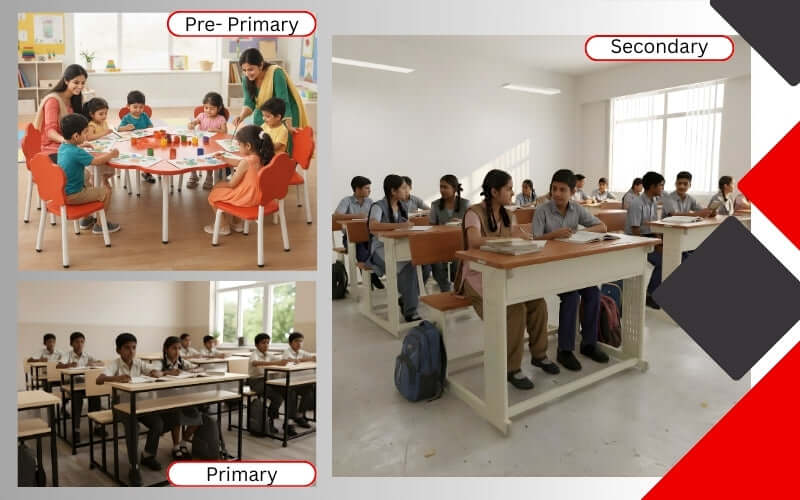
1. Early Years & Preschool Furniture
Young learners in preschool and kindergarten require furniture that supports their smaller body proportions and budding motor skills.
Key features to consider:
- Lower seat height and desk height to match shorter legs and arms
- Rounded edges and lightweight materials for safety
- Bright colours and playful designs to create an engaging environment
- Easy-to-move chairs and tables for play, art, and group learning
Furniture for this age group should make children feel safe and comfortable, encouraging interaction, creativity, and active play.
2. Primary & Elementary School Furniture
Students aged approximately 6–11 years have different needs compared to preschoolers. During these years, children grow rapidly and spend considerable time writing, reading, and participating in structured lessons.
What to focus on:
- Desk and chair sizes that allow feet to rest flat on the ground
- Proper elbow alignment at desk height
- Ergonomic support to reduce fatigue during longer sitting periods
- Flexible seating for individual and group activities
- Durable and easy-to-clean materials
Choosing furniture that fits this age bracket properly can significantly improve concentration and classroom behaviour.
3. Middle & Secondary School Furniture
As students grow taller and more active in learning activities, their furniture needs change accordingly.
Key considerations:
- Larger desks and chairs suitable for older students
- Height-adjustable desks for individual comfort
- Supportive chairs with ergonomic backrests
- Modular layouts for group discussions, labs, and collaborative work
Providing middle and high school students with furniture tailored to their size and learning style prepares classrooms for dynamic and technology-integrated teaching.
Key Features to Look For Across All Age Groups
Ergonomic Design
Furniture should support natural posture and reduce physical strain, helping students remain focused and comfortable throughout the day.
Durability & Quality
Classroom furniture must withstand daily use. Materials such as powder-coated frames, laminated tabletops, and sturdy seating ensure long service life.
Flexibility
Adaptable furniture that can be rearranged for collaborative learning, discussions, or interactive sessions supports modern teaching methods.
Safety
Smooth finishes, non-toxic materials, and rounded edges reduce the risk of injury, especially in classrooms for younger students.
How Alkosign Helps You Choose Right
At Alkosign, we understand that every educational environment is unique. That’s why we offer classroom furniture solutions designed for different age groups — from early learners to senior students.
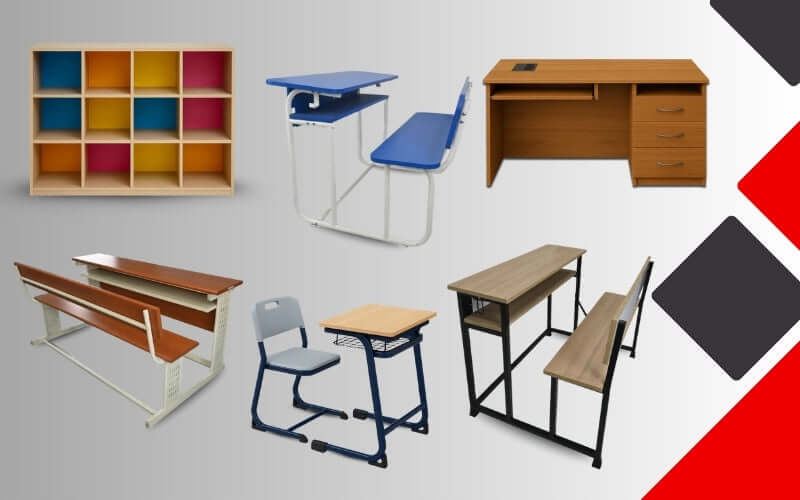
Our range includes ergonomic desks and chairs, adjustable seating options, and modular setups that support both individual and collaborative learning.
Why Choose Alkosign Furniture?
- Tailored sizing for different age brackets
- Strong, durable construction with premium materials
- Comfort-focused ergonomic designs
- Flexible solutions for modern teaching methods
When schools and educational spaces choose Alkosign, they invest in furniture that enhances comfort, supports growth, and encourages academic success.
Conclusion
Choosing the right classroom furniture for different age groups is more than a logistical decision — it’s a strategic investment in student comfort, engagement, and learning outcomes.
With thoughtfully designed furniture that evolves with student needs, educational institutions can build spaces that inspire, support, and empower learners at every stage.

Leave a comment
This site is protected by hCaptcha and the hCaptcha Privacy Policy and Terms of Service apply.